Germany Earmarks EUR 500bn for Infrastructure
Around EUR 500bn is set aside for infrastructure and climate by 2037, on top of regular spending. In full, that is over 50 percent more investment, says DIW's Teresa Schildmann.
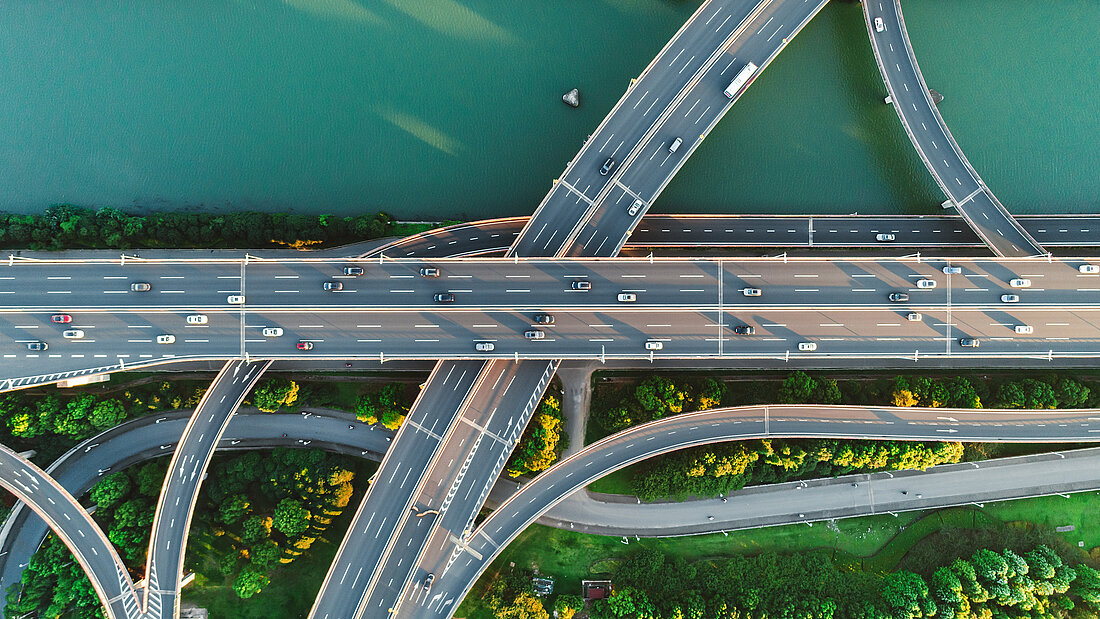
Read this article to find out:
1. When Germany's infrastructure mega-investments will get under way.
2. Which sectors stand to benefit the most.
3. What this all means for the German economy.
Ms Schildmann, the German government has been criticized for moving too slowly on its infrastructure pledges. When will the spending actually begin in earnest?
Teresa Schildmann: We expect a significant ramp-up in government infrastructure investment this year. On top of the EUR 55bn or so that flows annually into investment from the federal budget, an additional EUR 14bn was disbursed last year from the so-called special fund. Our forecast has investment from that fund continuing to rise in 2026, reaching a total of EUR 24bn.
That still leaves this year's additional spending well short of the roughly EUR 33bn the government could, on average, deploy annually from the special fund. Why the gap – and what comes next?
TS: The current government has only been in office since last year, and the special fund itself only became available in October 2025. We therefore expect the total volume of additional federal investment to grow year on year going forward. For 2027, we anticipate a further increase of around EUR 10bn over the previous year – with further rises likely in the years that follow. This pattern is consistent with how previous government special funds have played out. In short, Germany is at the beginning of a long-term infrastructure investment boom.
Into which sectors and projects will the bulk of the money flow?
TS: The government's investment agenda spans transport infrastructure, energy networks, digitalization, climate neutrality, education, hospitals and housing. In the near term, transport infrastructure will be one of the central priorities: Much of Germany's network is aging and in urgent need of modernization. Heavy spending on rail, roads and bridges is therefore to be expected. Digitalization is the second major near-term theme. Here, we anticipate investment in the IT systems of public administration and in the rollout of broadband and fiber optic networks.
Who will be the primary beneficiaries?
TS: Given the strong emphasis on construction projects, manufacturers of machinery and building materials – steel, cement, bitumen – will be among the primary beneficiaries, as will construction firms and specialist service providers across the industry. On the digitalization side, hardware and software manufacturers stand to gain, alongside the companies that plan and build broadband networks.
What are the wider implications for the German economy?
TS: If the government deploys the funds in a forward-looking way, the investment program will deliver a growth impulse that Germany urgently needs right now – with positive knock-on effects for companies across many sectors.
Infrastructure spending winners
1. Transport infrastructure
2. Energy networks
3. Digital infrastructure
4. Climate-neutral industry
5. Education and hospitals
6. Housing
What is the Special Fund for Infrastructure and Climate Neutrality?
Established in 2025 and ringfenced from the regular federal budget, the Special Fund is a state-backed vehicle created expressly to finance Germany's most pressing long-term investment needs. Its total envelope of EUR 500bn is earmarked to modernize the country's transport, energy, and digital infrastructure, and to put Germany on a credible path to climate neutrality. The allocation breaks down as follows: EUR 300bn is reserved for the federal government, EUR 100bn is made available to the Länder (the 16 states within the federation) and municipalities, and a further EUR 100bn will flow into the Climate and Transformation Fund – a dedicated instrument through which the federal government intends to drive climate action.